
Real Estate
Things to do in metro Atlanta, North Georgia | Nov. 6-8, 2026
By James Ramirez
Advertisement · Why this ad?
Cynthia holds an MBA from Georgia State University and has over 7 years of experience covering business news for local papers like the Atlanta Business Chronicle. Her expertise lies in local entrepreneurship and economic development, focusing on how businesses adapt in a changing market.
More from Cynthia →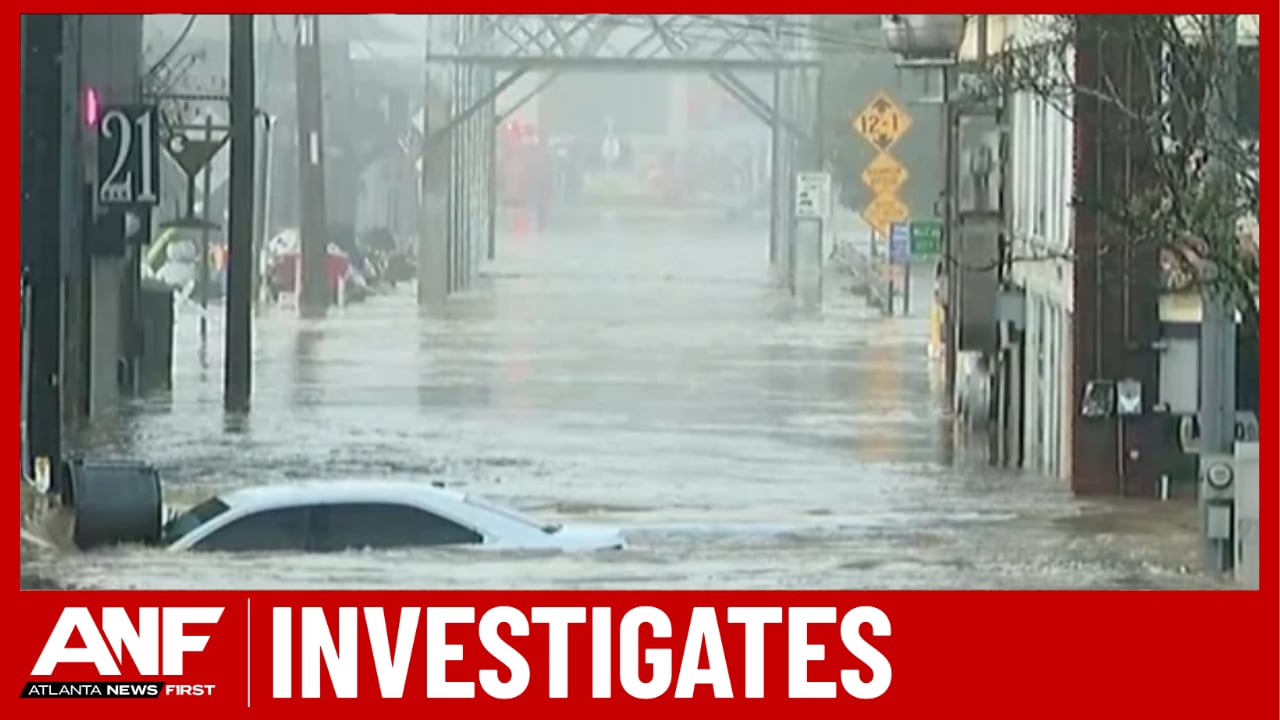
As the sun dipped below the horizon on a recent Thursday, families in Alpharetta were glued to their television screens, anxiously watching weather reports of torrential downpours that had transformed their tranquil neighborhoods into rushing rivers. With flash flood emergencies declared across North Georgia, the reality of flood risks became all too clear. For homeowners and renters, understanding the intricacies of FEMA website is not just a precaution; it’s a financial necessity that can mean the difference between recovery and ruin.
Flood insurance, particularly through the National Flood Insurance Program (NFIP), is a federal initiative designed to provide coverage for property owners, renters, and businesses against the devastating effects of flooding. Established in 1968, the NFIP was created in response to the increasing risk of flood-related disasters that private insurers were unwilling or unable to cover. This program is managed by the Federal Emergency Management Agency (FEMA) and aims to reduce flood risks through community regulations.
Understanding the specifics of what flood insurance covers is critical for residents of Alpharetta, especially as climate change continues to exacerbate weather patterns. While standard homeowners insurance policies may cover damage from storms, they typically exclude rising water from floods. This is where flood insurance steps in, covering direct physical losses to structures and belongings due to excess water.
The NFIP offers two main types of coverage: building coverage and contents coverage. Each type serves a distinct purpose and is essential for comprehensive protection against flood damage.
For homeowners in Alpharetta, the NFIP provides substantial coverage limits that vary based on property type. Homeowners can receive up to $250,000 for building coverage and $100,000 for contents coverage. Renters are also protected, with up to $100,000 available for personal belongings. Business owners fare even better, with coverage limits reaching $500,000 for both building and contents.
Building coverage encompasses essential structural components and systems, such as electrical and plumbing systems, furnaces, and even appliances like refrigerators and stoves. It also includes permanently installed items like cabinets and paneling, which can be costly to replace. On the other hand, contents coverage protects movable personal items, including clothes, furniture, and electronics, ensuring that residents can recover their lives after a disaster.
However, it’s crucial to understand what flood insurance does not cover. For instance, cash, vehicles, and personal property stored in basements are excluded from coverage. This highlights the importance of reviewing your personal inventory and understanding your specific needs when selecting a flood insurance policy.
The cost of flood insurance, or premiums, is determined by several factors, including the location of the property, its construction, and the estimated cost of rebuilding. In Alpharetta, where certain areas may be more prone to flooding, homeowners should be proactive in assessing their risk and understanding how it affects their insurance rates.
One significant advantage of NFIP premiums is their consistency; rates are standardized and do not fluctuate between different insurance providers. This means that regardless of where you purchase your policy, the costs will remain the same for the same coverage tier. Homeowners can often lower their premiums by implementing risk mitigation strategies, such as elevating utilities above potential flood levels or obtaining an official Elevation Certificate.
When considering flood insurance, it’s essential to be aware of the waiting periods associated with new policies. Typically, there is a standard 30-day waiting period from the date of purchase before coverage takes effect. However, exceptions exist. For instance, if flood insurance is purchased in conjunction with a mortgage, the waiting period is waived. Similarly, if a property is newly designated as a high-risk flood zone, coverage can begin within one day if purchased shortly after the map revision.
Maintaining your flood insurance policy is equally important. Policies last for a full year, and there is a 30-day grace period following expiration during which claims can still be honored, provided the renewal premium is paid in full. This grace period is a crucial safety net for homeowners who may forget to renew their policy in the hustle and bustle of daily life.
As the climate continues to shift, the importance of flood insurance becomes increasingly evident. Understanding these nuances can empower Alpharetta residents to make informed decisions that protect their homes and families.
The implications of flood insurance extend beyond individual homeowners; they ripple through the entire Alpharetta community. When families are financially protected against flood damage, they can recover more quickly, ensuring that local businesses and services remain resilient. This, in turn, fosters a sense of community stability and helps preserve the American dream of homeownership.
Local businesses, such as hardware stores and construction companies, also benefit from a community prepared for flooding. When residents have flood insurance, they are more likely to invest in repairs and renovations, stimulating the local economy. Moreover, community organizations and local governments can allocate resources more effectively, focusing on long-term flood mitigation strategies rather than emergency responses.
For residents seeking more information on flood insurance, the FEMA website provides a wealth of resources, including guides on purchasing flood insurance and understanding coverage options. Additionally, the Georgia Emergency Management Agency offers localized assistance and information tailored to Georgia residents.
Local insurance agents can also provide personalized advice and help navigate the complexities of flood insurance, ensuring that each homeowner finds the right policy to fit their unique needs. Engaging with these resources can lead to more informed decisions and ultimately a safer community.
As Alpharetta continues to grow and adapt to changing weather patterns, the need for comprehensive flood insurance will only become more pronounced. Residents are encouraged to take proactive steps in securing their homes against potential flooding. This includes not only purchasing flood insurance but also staying informed about local flood risks and participating in community initiatives aimed at flood prevention.
In a world where natural disasters can strike without warning, the importance of preparedness cannot be overstated. By understanding flood insurance and its role in safeguarding homes and families, Alpharetta residents can ensure that they are not only protecting their property but also contributing to the resilience of their community. As we look to the future, let us embrace the values of commitment and care that build strong families and neighborhoods. Additionally, community meetings and workshops can provide valuable opportunities for residents to learn about flood preparedness and to share their experiences, fostering a sense of unity and mutual support in the face of adversity.
By James Ramirez

By James Ramirez

By Linda Choi

By Margaret